
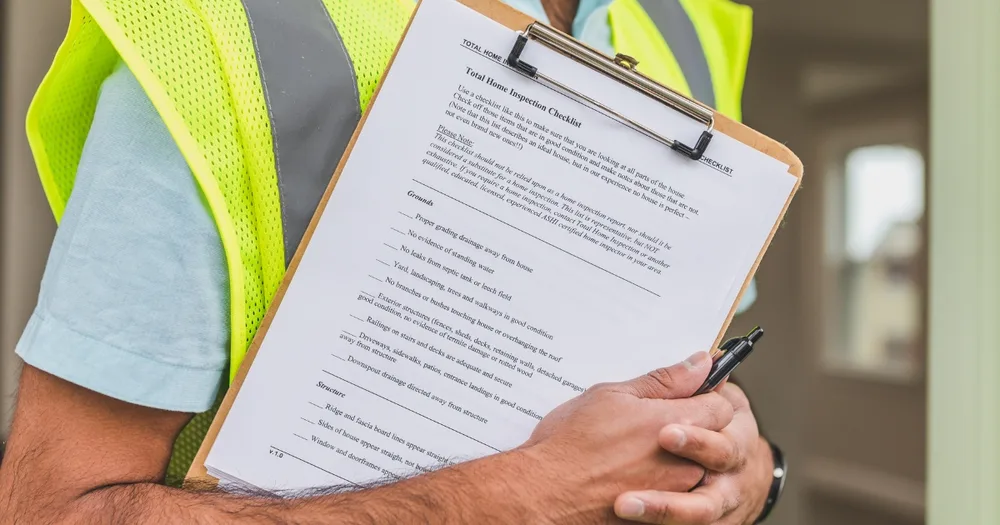
Whether you are scheduling a post-storm check after spring hail in Killeen, TX, buying or selling a home near Fort Cavazos, or checking on a 10-year-old roof before summer heat arrives, knowing what a thorough roof inspection actually covers protects you from missed leaks and vague contractor estimates.
Below is the complete 20-point inspection protocol used by Roof Killeen across Bell, Coryell, and Lampasas counties, along with why each checkpoint matters in Central Texas weather.
Zone 1: Roof Surface & Storm Impact Checkpoints (Points 1–6)
- Field Shingles or Metal Panels: We inspect all four directional slopes (North, South, East, West) for ceramic granule loss, thermal cracking, curling edges, blister pits, or metal panel oxidation. South- and west-facing slopes in Killeen age fastest due to intense afternoon UV exposure.
- Hail Impact Bruising: We check 10x10-foot areas on each slope for circular hail bruises where impact crushed granules into the asphalt mat and fractured the fiberglass reinforcement (see Hail Damage Roof Repair).
- Wind Seal-Strip Adhesion: We check shingle tab edges along windward rakes and ridges to ensure the factory thermal sealant bond hasn't been broken by straight-line gusts, looking for dark horizontal crease lines (Wind Damage Repair).
- Hip & Ridge Cap Shingles: High-exposure peak caps take the brunt of hail and wind uplift. We check for split caps, blown-off tabs, and rusted or backed-out ridge nails.
- Starter Strip & Eave Overhang: We verify that a proper starter course with edge sealant was installed along the eaves and rakes and that shingles overhang the drip edge by the proper 1/4" to 3/4" margin.
- Perimeter Metal Drip Edge: We confirm that painted metal drip edge is installed along both eaves and rakes ( tucked properly under the underlayment at the eave and over the underlayment at the rake) to keep water from rotting the wood fascia and deck edge.
Zone 2: Valleys, Flashings & Roof Penetrations (Points 7–12)
- Roof Valleys (Open Metal & Closed Woven/Cut): Valleys handle the highest volume of rainwater on your roof. We check for leaf dams, eroded valley metal, improper nail placement too close to the valley centerline, and worn shingle cuts.
- Plumbing Vent Pipe Jack Boots: Standard neoprene rubber collars around PVC plumbing vents split after 7–10 years in 100°F+ Texas heat. We inspect every boot on the roof for UV cracking (see our Pipe Jack Boots Guide).
- Chimney Step Flashing, Counter-Flashing & Saddles: We check mortar reglets, individual step flashing cards, and check whether wide chimneys have a proper cricket (saddle) to divert water around the masonry chase.
- Two-Story Sidewall & Dormer Step Flashing: Where a first-floor roof meets a second-story brick, stone, or HardiePlank wall, we check for proper step flashing and kick-out diverters at the bottom eave.
- Skylight Curbs, Glass/Acrylic Domes & Weep Holes: We inspect skylight head and sill flashing, gasket seals, and hail cracks.
- HVAC Flues, Water Heater Vents & Exhaust Hoods: We check metal storm collars, rusted rain caps, and hail-dented kitchen/bath exhaust hoods.
Zone 3: Attic Ventilation, Fasteners & Sealants (Points 13–16)
- Attic Exhaust Vents (Ridge Vents, Box Vents, Turbines): We inspect attic exhaust vents for hail dents, cracked plastic housings, animal screens, and verify that incompatible vent types are not mixed on the same ridge.
- Soffit Intake Vents & Eave Airflow: Exhaust vents cannot cool a 150°F Killeen attic without open under-eave soffit intake. We check for blocked soffits and missing rafter baffles.
- Exposed Fasteners, Nail Pops & Metal Roof Screws: We check for nails backing up through shingles and inspect EPDM rubber washers on exposed-fastener metal roofs.
- Caulking, Sealants & Pitch Pans: We check all exposed sealant points at flashing terminations for UV shrinkage and cracking.
Zone 4: Structural Decking, Attic Underside & Drainage (Points 17–20)
- Structural Wood Decking (OSB / Plywood): Walking the roof planes allows our inspector to feel for spongy, delaminated, or sagging sheathing between rafters or trusses.
- Interior Attic Underside Inspection: When accessible, we check inside the attic with a high-lumen light for daylight pinholes, dark water trails along rafters, rusted nail tips, and damp insulation (Roof Leak Detection).
- Gutters, Downspouts & Gutter Aprons: We check gutters for heavy shingle granule deposits, hail spatter, loose fascia hangers, leaking corner miters, and proper downspout discharge away from your slab foundation.
- Overhanging Tree Limbs & Roofline Debris: We note any live oak, cedar elm, or pecan branches rubbing against shingles or dropping heavy leaf litter into valleys.
Central Texas Field Checklist & Local Bell County Considerations
Because Killeen, Harker Heights, Copperas Cove, Belton, and Fort Cavazos sit at the intersection of the Blackland Prairie and the Lampasas Cut Plain, residential and commercial roofs here experience a combination of weather extremes that few other regions in the country face simultaneously. In spring (March through May) and autumn (October through November), dryline collisions trigger supercell thunderstorms with quarter- to golf-ball-sized hail and 60+ mph straight-line outflow gusts. Then, from June through September, sustained 98°F to 105°F afternoon temperatures heat dark roof decks above 155°F—baking volatile oils out of asphalt shingles, splitting standard rubber plumbing vent boots, and expanding metal panels every afternoon.
To protect your home investment and prevent avoidable interior water damage, our Killeen roofing team recommends reviewing these five practical homeowner action items every year:
- 1. Keep a Dated Digital Roof Folder: Store your initial 20-point roof inspection photo report, any repair invoices, and shingle/metal product specification sheets in one folder. If a major hailstorm strikes your Killeen ZIP code (76541, 76542, 76543, or 76549), having dated "before" photos proves your roof was well-maintained prior to the storm event.
- 2. Check Attic Intake & Exhaust Airflow Before Summer: Look up at your under-eave soffit vents from the outside and verify that attic insulation has not been blown over the intake openings inside the attic. Pairing open soffit intake with continuous shingle-over ridge vents lowers summer attic temperatures by 20°F to 30°F and prevents premature shingle baking.
- 3. Inspect Pipe Boots & Sealants at the 7-Year Mark: Builder-grade neoprene plumbing boots and exposed caulk joints around chimney counter-flashing rarely last the full lifespan of a 30-year architectural shingle roof in Texas sun. Replacing cracked rubber collars with UV-stable silicone or lead flashing boots stops the #1 source of non-storm bathroom ceiling leaks.
- 4. Clear Valleys & Seamless Gutters After Oak Leaf Drop: Live oak leaves, acorns, and cedar elm twigs accumulate in roof valleys and downspout outlets. Keeping seamless K-style gutters clear ensures torrential Central Texas downpours drain away from your fascia and slab-on-grade foundation.
- 5. Schedule a Free Professional Check Before Calling Insurance: Never guess from the ground or file a blind insurance claim after a storm. Call Roof Killeen at (555) 010-0000 for a free, no-obligation 20-point inspection and digital photo report so you have clear visual proof of your roof's condition.
Questions Homeowners Ask About This Topic
What do I receive at the end of the 20-point roof inspection?
You receive a clear digital photo report showing what our inspector found on your roof, along with a plain-English explanation. If your roof is in great shape, we tell you so. If repairs or replacement are needed, we provide an itemized written estimate.
How often should I schedule a 20-point roof inspection in Killeen?
Once a year as preventive maintenance (ideally before spring storm season or after summer heat) and after any significant hail or high-wind storm.
Can I use your 20-point inspection report for a home purchase or PCS sale?
Yes. Buyers, sellers, and real-estate agents across Killeen, Harker Heights, and Fort Cavazos regularly use our photo-documented inspection reports and written repair estimates during real-estate option periods. Call (555) 010-0000 to schedule.